


 BACK
BACKEl Abra Helps Bring Historic Photo Exhibit to Life
 May 5, 2026 - With longstanding support from Freeport’s El Abra operation in Chile, a photographic exhibit documenting the history and culture of the Calama region has opened at the Museum of Natural and Cultural History of the Atacama Desert.
The Photographic Archive of the Desert features historical photographs dating to as early as 1900 depicting daily life in Calama and Alto El Loa near the El Abra operation. The exhibit is the culmination of several El Abra-supported projects that enabled the conservation, restoration and dissemination of hundreds of historical photographs and negatives now available for public viewing. The company also has financed the publication of two books featuring part of the photographic collection.
“We believe responsible mining also means contributing to the preservation of the cultural heritage of the communities around us,” said Gonzalo Larroulet, Sustainability Manager-El Abra. “By supporting the Photographic Archive of the Desert, we contribute to safeguarding the memory, identity and everyday history of Calama and the Alto El Loa, ensuring these images remain alive as a source of learning.”
El Abra has supported the cultural heritage preservation project since 2019 through its Cultural and Heritage Fund. Contributions include multi-year financial support, funding for professional restoration and digitization processes and support for the acquisition of specialized equipment.
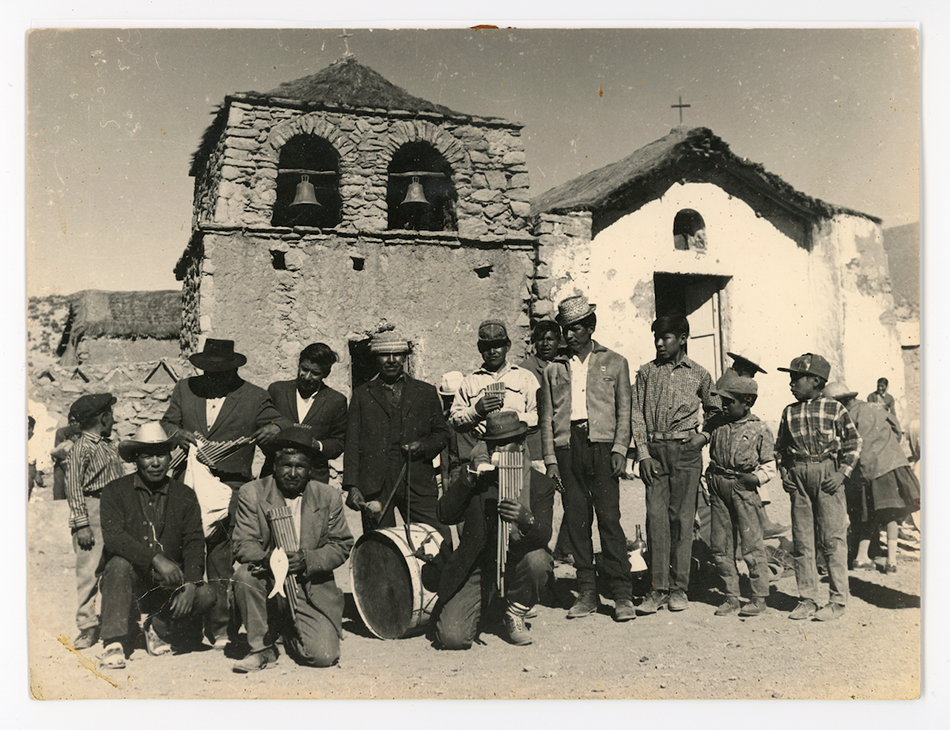
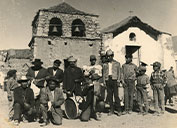
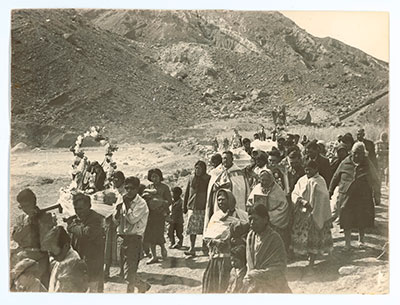
Photo (top to bottom): Among the photos in the Photographic Archive of the Desert exhibit is this 1970 image from Alto El Loa of a religious procession seeking blessings for crops and rural settlements; A group from the village of Machuca, San Pedro de Atacama in 1960.




© 2026 Freeport-McMoRan
SOCIAL
RECOGNITION